
One of the most common questions people ask before shopping for Amish furniture is how much it actually costs. The short answer is that it varies widely, but most buyers should expect to spend more than mass produced alternatives and less than high-end designer brands.
The longer answer depends on what you are buying, what wood it is made from, how much customization you want, and where you are shopping. This guide breaks down the major price factors so you can set a realistic budget before you walk into a showroom or start browsing the Amish Furniture Directory.
General Price Ranges by Furniture Type
These ranges reflect what you will typically find across the 400+ stores in the directory. Prices vary by region, store, and customization level, but this gives you a starting framework.
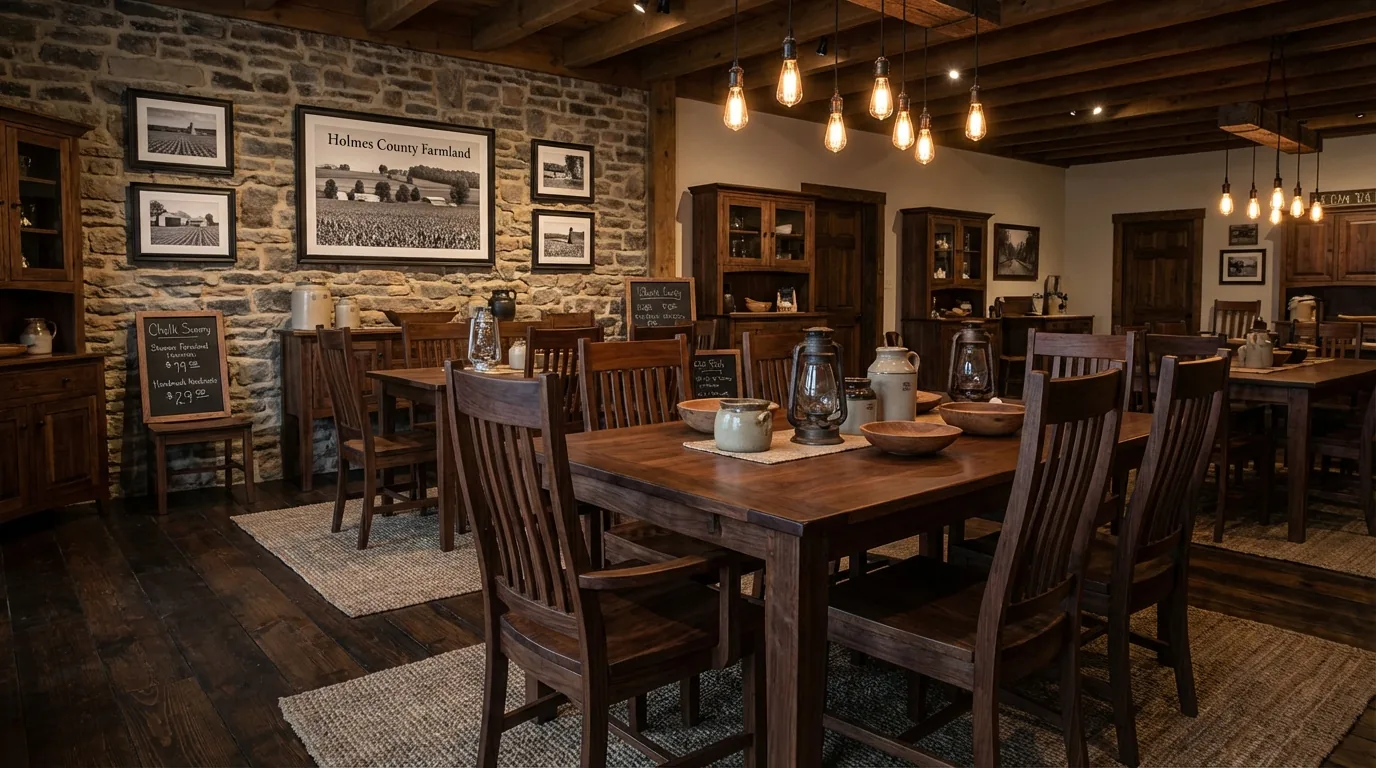
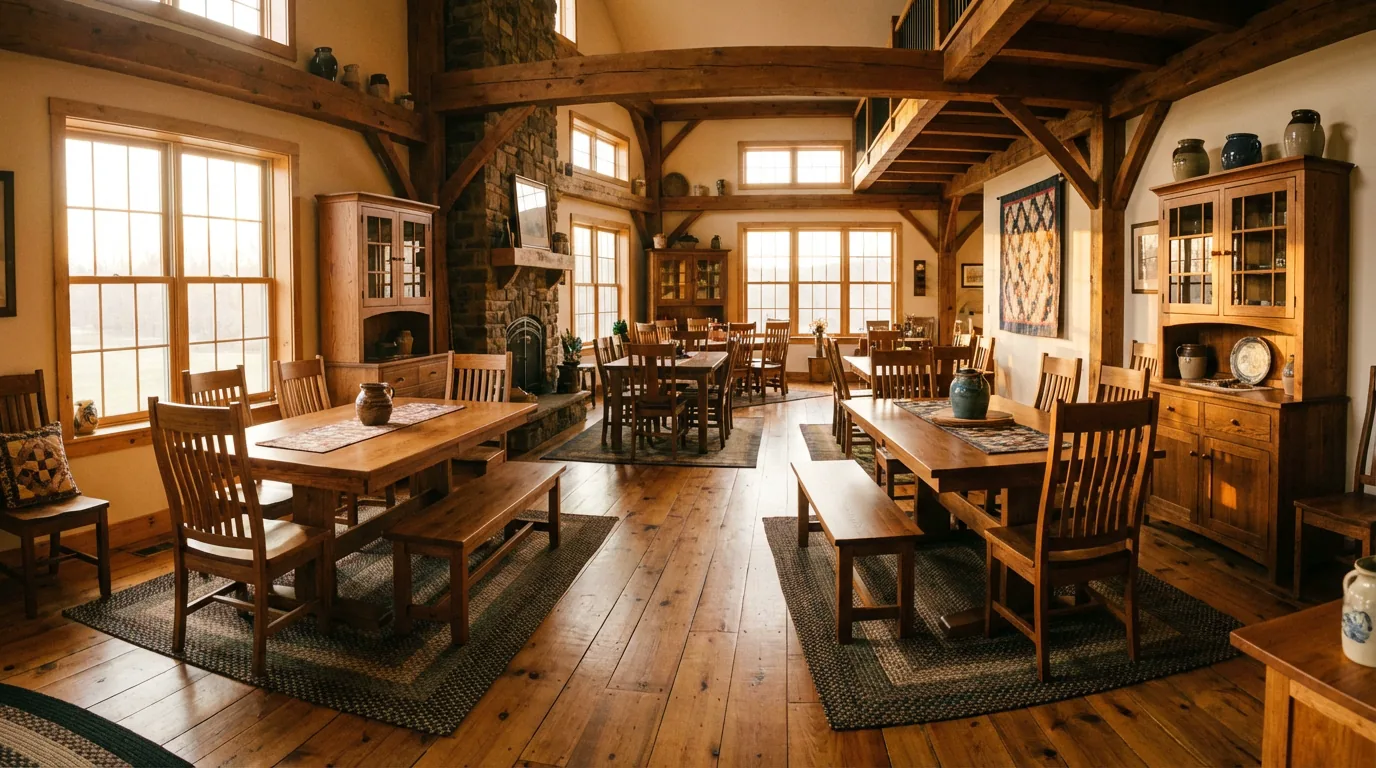
Dining tables - are usually the centerpiece purchase. A standard solid wood dining table for four to six people typically runs between $1,200 and $3,500. Larger tables that seat eight to twelve can range from $2,500 to $6,000 or more, especially with extensions and premium wood species. If you are shopping specifically for dining furniture, the dining room category page lists 363 stores that carry this type.
Dining chairs - usually cost between $250 and $800 per chair. Arm chairs tend to be at the higher end. When you are buying a full set of six to eight chairs, this adds up quickly, so it is worth asking stores about set pricing. Browse the chairs category for stores that specialize in seating.
Bedroom sets - a bed frame, dresser, and one or two nightstands, typically fall between $3,000 and $8,000 as a package. Individual pieces vary: bed frames from $1,000 to $3,000, dressers from $1,200 to $3,500, and nightstands from $400 to $1,000. The bedroom category covers 364 stores.
Living room furniture - like entertainment centers, bookcases, and coffee tables ranges widely. A solid wood bookcase might be $800 to $2,500, while a full entertainment center can run $2,000 to $5,000. Coffee and end tables are often in the $400 to $1,200 range.
Office furniture - like desks and hutches runs between $1,500 and $5,000 for a full setup. Roll-top desks are at the higher end.
Outdoor furniture - poly lumber Adirondack chairs, gliders, and patio sets — tends to start lower, often $300 to $800 per piece, because the material costs are different from solid hardwood.
What Drives the Price Up
Several factors push Amish furniture prices higher. Understanding them helps you decide where to spend and where to save.
Wood Species
The wood you choose is the single biggest price variable after size. Oak is typically the most affordable solid hardwood and the most common in Amish furniture. Maple costs moderately more. Cherry and walnut sit at the premium end, a cherry dining table may cost 30 to 50 percent more than the same table in oak.
Exotic or specialty woods push prices higher still, but most Amish furniture is built from the four main North American hardwoods. The blog post on best wood types for dining tables covers the practical differences between these species.
Size and Complexity
Larger pieces cost more, and that scaling is not always linear. A table that seats twelve is not just twice the cost of a table that seats six, it requires more material, more labor, and often more complex joinery.
Added features like extensions, hidden storage, dovetail drawers, soft-close hardware, and hand-carved details each add to the price. If budget is a concern, focus on the construction fundamentals solid wood, strong joinery, quality finish and skip the decorative extras. The blog post on choosing Amish furniture without overspending covers this in more detail.
Customization
One of the advantages of Amish furniture is that many pieces can be made to your specifications. Custom dimensions, specific wood and stain combinations, hardware choices, and design modifications are all possible at most stores that offer made-to-order programs.
This flexibility comes with a price premium. A fully custom dining table typically costs 20 to 40 percent more than a standard catalog model in the same wood. The more specific your requirements, the higher the premium.
Not every store offers the same level of customization. Check the custom furniture category to find the 303 stores in the directory that list custom work as a specialty.
Finish and Hardware
Standard finishes are usually included in the base price, but premium finishes, hand-rubbed oils, conversion varnish, distressed or antiqued looks can add $100 to $500 depending on the piece. Hardware upgrades like hand forged iron pulls or premium soft close mechanisms add smaller but noticeable amounts.
What Drives the Price Down
There are also ways to get better value without sacrificing quality.
Choosing oak over cherry or walnut - can save 20 to 40 percent on the same piece. Oak is a harder wood than cherry and ages beautifully - it is not a compromise, just a different look.
Buying from smaller, workshop-adjacent stores - rather than tourist corridor retailers often means lower overhead and lower prices. Stores in smaller towns throughout Ohio and Indiana tend to have more competitive pricing than those in heavily trafficked tourist areas.
Ordering standard sizes - rather than custom dimensions avoids the customization premium. If a builder's standard table length works for your dining room, there is no reason to pay for custom measurements.
Shopping off-season - late winter and early spring - sometimes yields better pricing as stores clear floor models to make room for new inventory.
Comparing multiple stores is the most reliable way to find fair pricing. Use the compare tool to line up three or four stores that carry the category you need, then call each one for a quote on a similar piece.
Is It Worth the Price?
Amish furniture costs more upfront than mass produced alternatives from big box retailers. A solid oak dining table at $2,000 is significantly more than a $400 table from a chain store.
The difference is in how long it lasts. Mass produced furniture made with particleboard, MDF, or veneered surfaces typically lasts 5 to 10 years with regular use. Solid hardwood furniture with proper joinery can last 30 to 50 years or more. Many Amish pieces become heirloom items passed between generations.
When you divide the cost by expected lifespan, the per-year cost of a well built Amish table is often lower than replacing a cheap table every few years. The math works even better if you value the aesthetics and the satisfaction of owning something built by hand.
How to Get Started
Before you set a budget, browse the directory by state or by category to see what stores are in your area. Narrowing down to three or four stores and calling for quotes on similar pieces gives you a real world price range specific to what you want.
If you are planning showroom visits, the blog post on what to ask before visiting a showroom will help you make the most of your time. And if you are deciding between showroom stock and a custom order, the blog post on showroom vs. made-to-order furniture walks through what to expect from each path.