Every hardwood has a different personality, and that affects both the finished room and how the piece holds up over time. When shoppers compare Amish furniture, the conversation often starts with style, but wood species is one of the biggest decisions behind price, durability, grain, and long-term satisfaction.
There is no single best wood for every home. Oak, maple, cherry, and walnut are all strong choices when they are built and finished well. The right choice depends on daily use, room lighting, existing floors, preferred grain, and whether you want the furniture to feel casual, formal, rustic, or refined.
Oak: durable, textured, and familiar
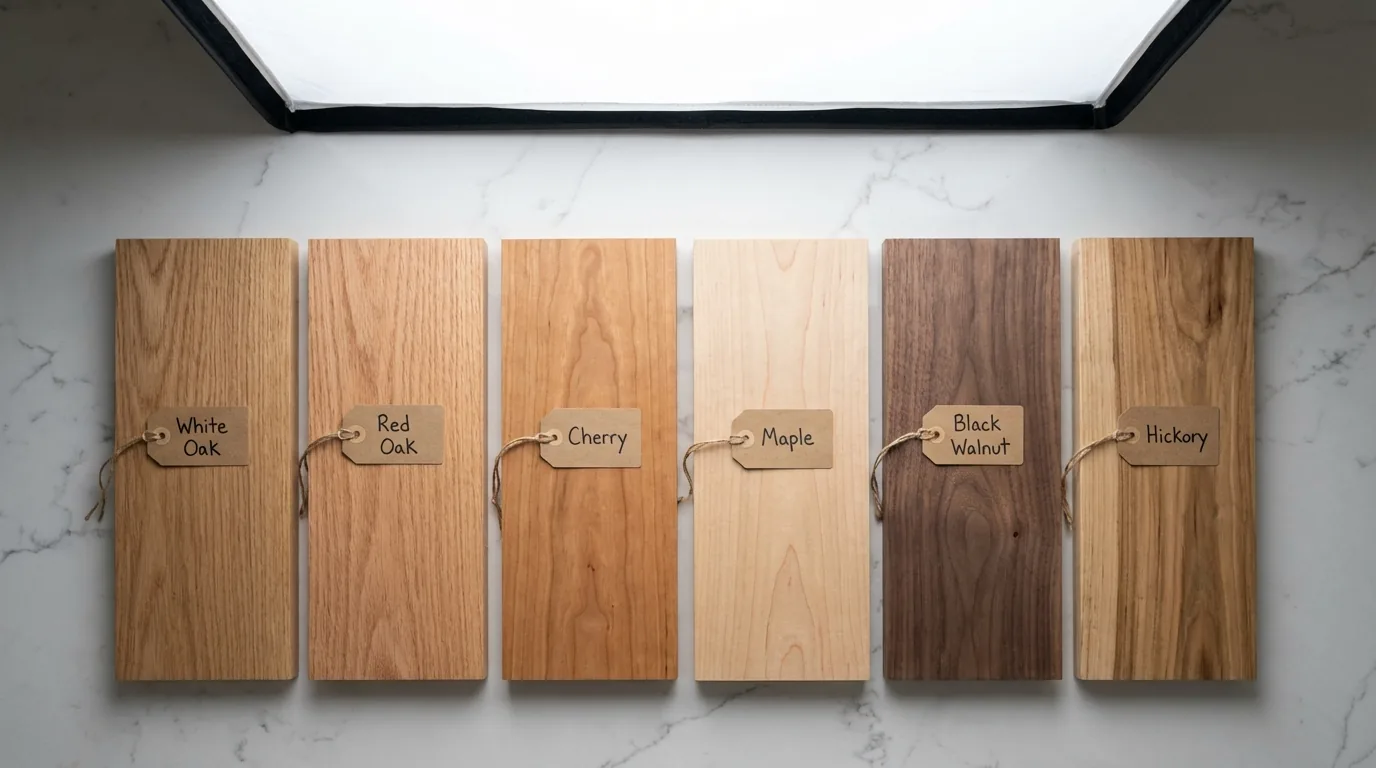
Oak is a common starting point because it has visible grain and a reputation for durability. It works well in dining rooms, kitchens, offices, and family spaces where the furniture needs to handle daily use without looking too delicate. Red oak usually has more pronounced grain and a warmer tone, while white oak can feel a little cleaner and more contemporary depending on the finish.
Oak is a good fit if your room can handle visual texture. The grain gives the piece character, and minor wear may blend in more easily than it would on a quieter wood. It can also support a wide range of finishes, from traditional golden tones to darker mission-style stains.
The tradeoff is that oak is not subtle. If your room already has busy flooring, strong cabinetry, patterned rugs, or a lot of visible wood grain, oak may compete with those elements. In that case, maple or cherry may be easier to blend.
Maple: clean, strong, and quieter
Maple has a cleaner appearance than oak. It is often chosen when a shopper wants solid wood durability without a heavy grain pattern. Hard maple can be very durable, which makes it appealing for dining tables, desks, dressers, and pieces that will see regular use.
Maple works especially well in rooms where the furniture should support the design instead of becoming the loudest visual element. If your home has colorful rugs, painted walls, strong artwork, or existing wood floors, maple can keep the furniture from feeling too busy. It also pairs well with lighter or more modern finishes.
The main caution with maple is finish behavior. Because the grain is tight and the surface is less open than oak, darker stains can sometimes look less even if the finishing process is not handled carefully. That does not mean you should avoid maple; it means you should look at real samples in the showroom and ask how the store handles darker tones.
Cherry: warm, formal, and graceful as it ages
Cherry usually appeals to buyers who want a richer and warmer tone. It can make dining rooms, bedrooms, hutches, and writing desks feel more formal without becoming overly ornate. One of cherry's defining traits is that it deepens with age and light exposure, so the piece may become warmer and more complex over time.
That aging process is part of the appeal, but it is worth understanding before you order. If a showroom sample has been exposed to light longer than a newly built piece, the new item may arrive looking lighter and then darken over time. Ask the retailer what to expect and whether they can show older and newer samples.
Cherry is a strong choice for heirloom-style furniture, especially pieces that will stay in one room for many years. It is less ideal if you want a very pale, casual, or rustic look. It also tends to show scratches differently than oak, so families with heavy daily use should ask about finish durability and care.
Walnut: dramatic, expressive, and usually more expensive
Walnut is the most dramatic of the group. It has a darker natural color, expressive grain, and a sense of depth that can make the furniture itself the focal point. Walnut can look beautiful in dining tables, desks, bedroom pieces, media cabinets, and statement storage furniture.
The tradeoff is cost. Walnut is often more expensive than oak or maple, and some stores may limit certain options based on availability. If walnut is your first choice, ask whether the quote reflects solid walnut throughout or a mix of walnut with secondary woods in hidden areas. That distinction can matter for price and expectations.
Walnut is best when you want the furniture to lead the room. If the rest of the space is already dark, walnut can feel heavy unless the room has enough natural light or contrast. It is also a wood where seeing real samples is especially important; photos rarely capture the full variation.
Match the wood to the room and use
Start with the room, not the sample rack. A busy family dining table has different needs than a guest-room dresser or a formal hutch. Oak and maple are often practical everyday choices. Cherry and walnut often appeal when tone, warmth, and visual richness matter more than keeping the budget as low as possible.
Room lighting changes everything. A wood sample that looks warm in a showroom can look darker at home, especially in rooms with limited natural light. If possible, ask whether the store has take-home samples or larger finish boards. At minimum, compare samples near a window and under warm indoor lighting before deciding.
Ask the store these questions
When you visit a showroom, ask which woods are standard for the piece you like, which woods change the price most, and whether the finish sample is shown on the same species you plan to order. A stain on oak will not look identical on maple or cherry. Ask whether the top, legs, drawer fronts, and side panels all use the same primary species or whether secondary woods are used in hidden areas.
For dining tables, ask about top thickness, extension leaves, finish durability, and how the store recommends caring for the surface. For bedroom furniture, ask about drawer boxes, drawer glides, and whether matching pieces will be built from the same batch of wood or finished together.
Where to compare wood options
Dense showroom markets make wood comparison easier because you can see more samples in one trip. Start with the Amish furniture stores in Ohio or the Amish furniture stores in Pennsylvania if you are close enough to visit. Specific retailers such as Dutch Craft Furniture in Millersburg, Ohio, Andreas Furniture in Sugarcreek, Ohio, and Gish's Furniture in Lancaster, Pennsylvania are useful examples of store pages to compare before a showroom trip.
The real test is simple: choose the wood that fits the room, the use, and the budget at the same time. A beautiful wood that feels too formal for your home will always feel a little off. A practical wood that works with your daily life will usually look better every year you own it.